


Scandi Living Room Ideas: How to Get the Look
Popular for a reason, Scandi living rooms are utterly beautiful. Their simple style is effortless and timeless, oozing calm, comfort, and cocooning thanks to neutral colours, natural textures, and simple, functional furniture.
This understated style celebrates quality over quantity, combining clean lines and uncluttered spaces with plenty of warmth and character. It’s the perfect place to snuggle up during those dark winter evenings.
The good news is that whether you’re starting from scratch or refreshing your existing living room, plenty of Scandi living room ideas can inspire you. Below, we have pulled together our favourite ways to create such a relaxed, inviting space you’ll love spending time in.
What Defines a Scandi Living Room?
Scandinavian design is often associated with minimalism, but that doesn’t mean your home needs to feel stark or empty.
At its heart, a Scandi-style living room brings together simplicity, practicality and comfort. Each piece of furniture is thoughtfully chosen, natural materials take centre stage, and the overall colour palette feels calm and considered.
There are four key elements that define the look;
- A pared-back colour palette: Warm whites, cream, oatmeal, soft grey, and muted earthy tones to create a light, welcoming foundation.
- Natural materials: Pale wood, linen, wool, and other organic textures add warmth and character.
- Simple, functional furniture: Clean lines, comfortable proportions and practical designs to keep the room feeling uncluttered.
- Layered textures: Soft cushions, throws and rugs to create a cosy, welcoming atmosphere without overwhelming the space.
The result is a living room that feels considered yet laid-back and relaxed enough for everyday life.
Scandinavian Living Room Colours: Finding the Right Palette
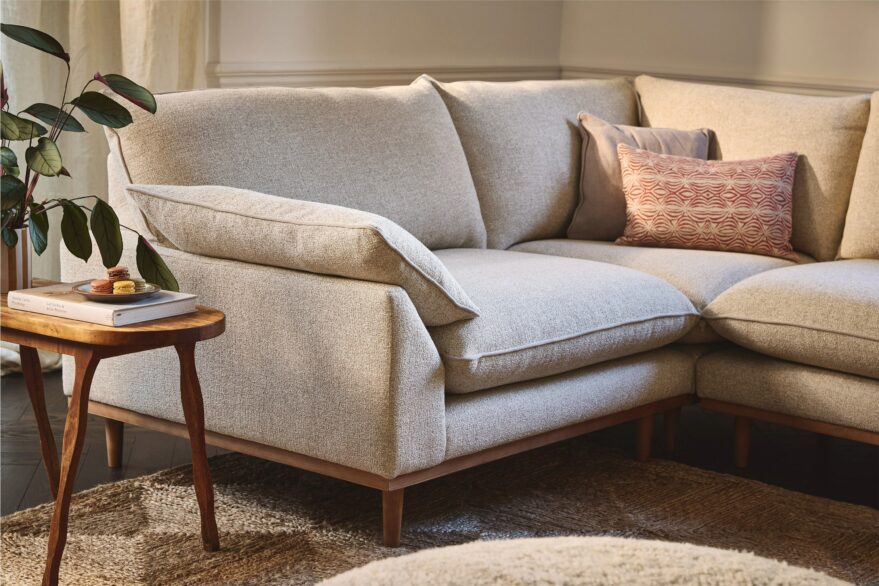
Colour is vital when creating a Scandinavian-inspired interior. While white and grey may seem like obvious choices, warmer neutrals and muted earthy shades will make a Scandi living room feel far more inviting. This is especially appealing in UK homes, where natural light can be limited.
Warm Whites, Cream and Oatmeal
Warm white, cream, beige and oatmeal are ideal starting points for a Scandi colour scheme. As softer neutrals, they create a light, airy feel without the starkness of brilliant white, making them particularly effective in north-facing rooms that receive little natural light.
Instead of choosing exactly matching shades, layer different tones throughout the room. Cream walls, an oatmeal sofa and a textured beige rug create subtle depth while keeping the overall look beautifully understated.
Soft Grey and Greige
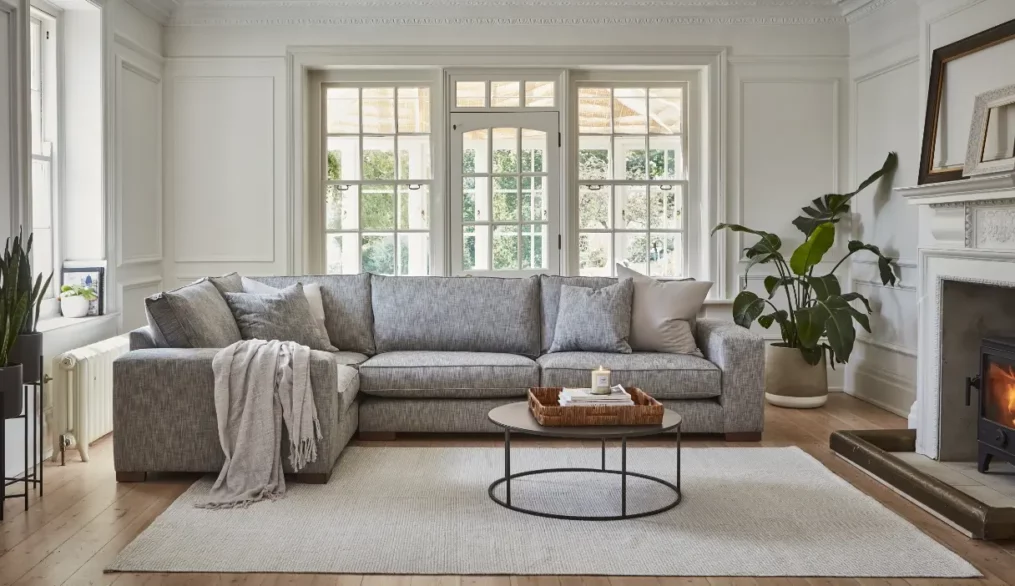
Grey is another natural choice for Scandinavian interiors, but pay attention to its undertone. Cooler greys look crisp and contemporary, while warmer greys and greige, a soft blend of grey and beige, create a more welcoming feel.
If you choose grey upholstery, we suggest you pair it with natural timber, warm white walls and tactile fabrics, which will draw out the warmth and prevent the room from feeling too cool.

Muted Greens, Blues and Earthy Tones
A Scandi living room doesn’t have to be entirely neutral, however. You can introduce colours such as soft sage, olive green, muted blue, and earthy terracotta, all of which work well when used thoughtfully.
Instead of introducing lots of competing colours, choose one or two gentle accent shades, then repeat them through cushions, artwork or accessories. This keeps the room feeling calm while adding a little personality.
Choosing between cream, oatmeal and grey? Order free fabric samples from Darlings of Chelsea and see how your favourite shades look in your own home.
Choosing a Scandi Sofa
The sofa is often the largest piece of furniture in your living room, so getting the style, size and upholstery right is an important part of creating the overall look.
A Scandi sofa typically combines simple lines, understated detailing and comfortable proportions. Rather than elaborate shapes or decorative finishes, it emphasises thoughtful design and everyday practicality.
How Do You Choose a Scandi Sofa?
Start by thinking about the size and layout of your living room. A sofa with clean lines, a simple silhouette, and visible legs can help create a sense of space, especially in smaller rooms. If this sounds like your space, then look for designs that feel comfortable and inviting without appearing overly bulky.
Stick to natural fabrics, textured weaves, and soft neutral shades, which work particularly well when space is at a premium, or introduce leather for a more contemporary or mid-century feel.
Also consider how the sofa will work with the rest of your furniture. A simple design will complement natural wood, understated lighting and tactile accessories without competing for attention.

Scandi Sofa Shapes: Clean Lines and Tapered Legs
Mid-century modern furniture, known for its simple forms, clean lines and tapered legs, shares many characteristics with Scandinavian design.
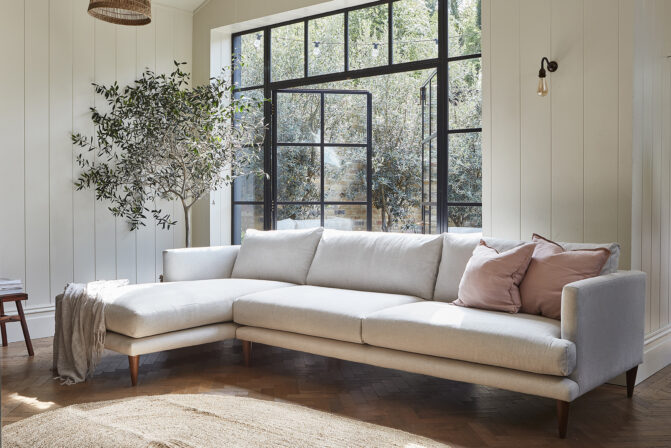
Choose a sofa with slim arms, raised legs, and an uncomplicated silhouette for an instant contemporary feel. If possible, choose wooden legs, especially if they complement the other timber finishes in your room.
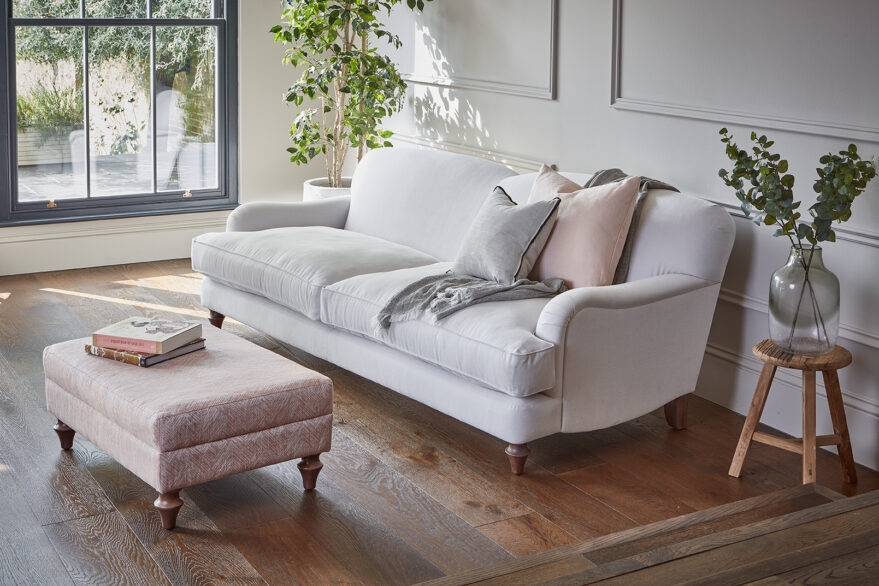
For a softer interpretation, choose a sofa with gently rounded arms and generously cushioned seating. Aim to balance simplicity with comfort, rather than choosing something that looks beautiful but isn’t practical for everyday use.
Neutral Fabric Sofas
To keep with the Scandi living room style, stick with neutrals such as cream, oatmeal, beige, and warm grey fabric sofas. These naturally calming shades provide a great foundation, allowing you to introduce texture through cushions, throws, and rugs.
A lightly textured weave or linen-look fabric can add subtle interest, particularly if you’re working with a largely neutral palette.
If you prefer something a little more colourful, muted sage, soft blue or warm taupe can work just as beautifully.
Leather Sofas
Leather adds warmth and character to a Scandi interior, especially in tan, caramel, or soft brown shades. Pair it with pale timber, cream walls, and natural fabrics to create a relaxed, welcoming feel.
For a more contemporary look, black leather can also work, but balance it with lighter flooring, warm neutrals, and soft furnishings.
Whichever colour you choose, the key is to avoid making the room feel too stark. A leather sofa paired with a wool rug, linen cushions and natural wood can create a lovely balance between clean design and comfort.

Choosing the Right Sofa Size for Your Scandi Living Room
Scandinavian interiors tend to favour uncluttered spaces, so choosing furniture that suits the proportions of your room is particularly important.
| Sofa Style | Best Suited to: | Why it works |
| Compact two-seater | Small living rooms and flats | Keeps the space open and easy to move around |
| Three-seater | Medium-sized living rooms | Provides comfortable seating without dominating the room |
| Chaise sofa | Relaxed, contemporary spaces | Adds somewhere to stretch out without needing a separate footstool |
| Corner sofa | Larger or open-plan rooms | Creates a defined, sociable seating area |
| High-backed sofa | Rooms prioritising comfort and support | Offers a more supportive seat while retaining a simple silhouette |
Scandi Sofas for Small Living Rooms
If your living room is on the smaller side, look for a sofa that feels proportionate to the space. A compact two-seater with raised legs and relatively slim arms can make the room feel more open, while lighter upholstery will help maintain an airy atmosphere.
Keep surrounding furniture simple, and avoid the urge to fill every available corner.
Items such as a small wooden coffee table, a carefully chosen floor lamp and a textured rug may be all you need to complete the look.
Chaise and Corner Sofas for Larger Spaces
A chaise sofa is a great option if you want a relaxed living room with somewhere to stretch out at the end of the day.
Its extended seat adds comfort without needing a separate footstool, helping keep the room uncluttered.
For larger living rooms, a corner sofa provides generous seating whilst helping to define the space, particularly in an open-plan home.
How to Create a Warm Scandinavian Living Room
One of the most common challenges with Scandinavian-inspired interiors is making sure the finished room feels warm rather than cold.
A pale colour palette and simple furniture can look beautiful, but without texture and warmth, the space may feel a little too minimal.
The answer is to introduce layers, natural materials and softer lighting.
Layer Cosy Textures
Texture is essential for creating a welcoming, warm Scandinavian living room. Think chunky wool throws, soft cushions, linen curtains and generously sized rugs.
Bouclé is a great choice because it adds interest without relying on strong colours or patterns. Sheepskin-style throws and tactile woven fabrics help to introduce softness, particularly when draped over an armchair or layered across a sofa.
And don’t fixate on matching everything perfectly. The idea is for the room to feel naturally balanced, considered but not prescriptive, so combine different textures in similar tones for that relaxed, natural finish.
Bring in Natural Wood
Wood is one of the defining materials of Scandinavian interiors. Pale oak and ash add a light, contemporary feel, while richer walnut can introduce warmth and contrast.
You don’t need every wooden element to match exactly. A pale oak coffee table can sit beautifully alongside slightly darker timber flooring, as long as the overall palette feels balanced.
If your sofa has visible wooden legs, consider how their finish works with your flooring and other furniture.
Make Comfort a Priority
Scandinavian design is closely associated with the Danish idea of hygge, which describes a feeling of comfort, warmth and contentment.
This is exactly the feeling you want from your Scandi living room, which might mean a wonderfully comfortable sofa, soft lighting, a favourite blanket, or somewhere to put your feet up.
It’s less about achieving a perfectly styled room and more about creating a space that feels genuinely good to spend time in.
Scandi Living Room Furniture: Keep It Simple and Functional
Once you’ve chosen your sofa, the surrounding furniture needs to complement its shape and proportions, not compete with it.
Coffee Tables and Side Tables
Simple wooden coffee tables fit naturally in Scandinavian interiors, so look for clean lines, gently rounded shapes, and practical proportions.
A round coffee table will soften the straight lines of a sofa, while a rectangular design may work better in a longer, narrower room.
Side tables should be equally practical, providing somewhere for a lamp, book or cup of tea without adding unnecessary clutter.
Storage That Keeps the Room Calm
A clutter-free living room doesn’t mean hiding everything away; thoughtful storage can help maintain the relaxed feel associated with Scandinavian interiors.
Choose pieces that provide enough storage for everyday essentials without dominating the room. Low wooden cabinets, simple shelving and woven baskets are all useful choices.
Lighting a Scandi Living Room
Lighting is central to Scandinavian interiors, especially during the darker months when indoor light offers a welcoming break from the gloomy outdoors.
Firstly, don’t rely solely on a bright overhead light. Instead, use several softer light sources around the room. Floor lamps beside the sofa, table lamps on sideboards and smaller accent lights can all help create a welcoming atmosphere.
Warm white bulbs, typically around 2700K, are particularly effective for creating a cosy feel.
Make the Most of Natural Light
Natural light is equally important. Keep window treatments relatively simple, choosing light curtains or blinds that allow daylight to filter into the room.
Position larger furniture carefully so it doesn’t block windows, and consider using mirrors to reflect light around darker spaces.
In a north-facing room, warmer whites, cream upholstery and natural timber help counterbalance cooler daylight.
The overall aim is to create a room that feels light and open during the day, then warm and comfortable in the evening.
Finishing Touches for a Scandinavian Style Living Room
Once you’ve chosen your main furniture, a few thoughtful accessories can bring the whole room together.
- Cushions and throws: Mix soft neutral shades with different textures rather than introducing lots of competing colours.
- Rugs: A large wool or textured rug will help define your seating area and add warmth underfoot.
- Artwork: Simple prints, nature-inspired photography and understated abstract designs complement the pared-back aesthetic.
- Houseplants: Greenery introduces natural colour and softens clean-lined furniture.
- Ceramics and accessories: Choose a few meaningful pieces rather than filling every surface.
Remember, Scandinavian style isn’t about creating a room that looks untouched. It’s about balancing simplicity, beauty, and everyday comfort.
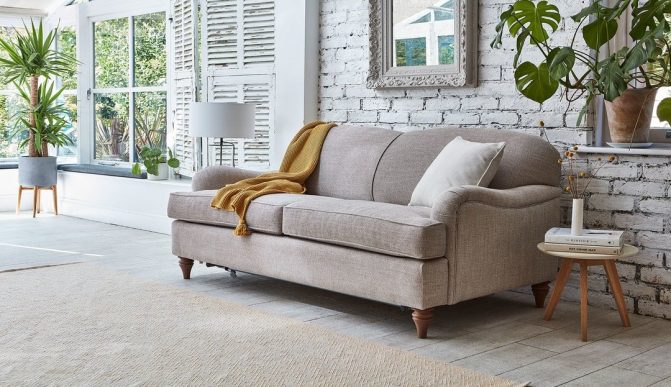
Create Your Perfect Scandi Living Room
From warm neutral colours and natural wood to beautifully simple furniture and cosy textures, a Scandinavian-inspired living room is all about creating a space where you can truly relax.
The secret is to keep the overall look considered without making it feel too perfect. Choose furniture that suits your space, add layers of texture, and let natural materials bring warmth and character to the room.
Whether you prefer a contemporary grey sofa, a soft cream fabric design, or a warm tan leather sofa, the right choice will help create a calm, welcoming space you’ll love coming home to.
Explore the Darlings of Chelsea sofa collection, order free fabric samples or visit your nearest showroom to discover the perfect starting point for your Scandi living room.
Browse our latest guides for styling and interior tips.


